Enterprise UX UX Strategy
Scanning a 10-Floor building shouldn't take all day. I came up with a UX Strategy on how to fix that.
UX Strategy
Problem Framing
B2B · Enterprise
NavVis · 2025
Context
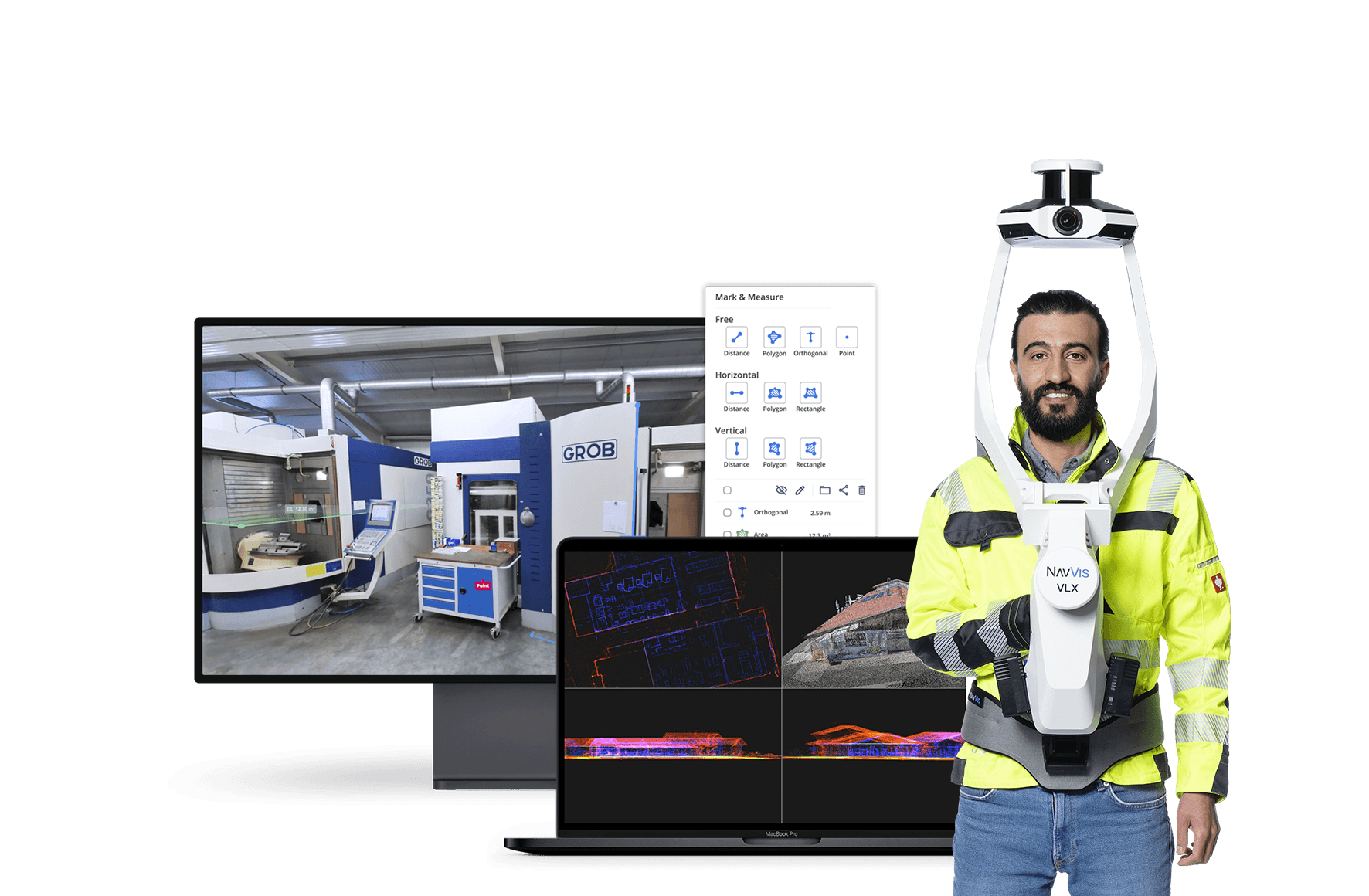
NavVis makes mobile reality capture hardware that lets surveyors and technicians walk through a building and capture it in full 3D room by room and floor by floor. The hardware is fast. The scanning itself takes minutes per floor.
The problem wasn't the device. It was what happened in the software after the scan was done.
The Problem
When someone scans a building with NavVis's hardware, they capture each floor separately that's just how the device works. But the IVION software treated each floor as a completely isolated job. There was no way to queue floors, run them in parallel, or auto-combine the results.
For a 5-floor building: 5 separate waits. 5 manual stitching steps. Every single time. On a 10-floor building, that's a full day of waiting and repeating the same manual task.
My Approach
My five-step approach: mapping assumptions before designing, reconstructing the broken workflow, evaluating three solution options with clear reasoning.
The SWOT analysis included my own solution and planning a phased 3-month release.
The End Result
Four outcome cards covering problem reframing, pain point identification, the batch processing design and the phased delivery plan.
Close with my honest reflection including that I didn't get the job, but would submit the same work again.
✦
NavVis IVION
✦
NavVis IVION
✦
NavVis IVION
✦
NavVis IVION
✦
NavVis IVION
✦
NavVis IVION
✦
NavVis IVION
✦
✦
NavVis IVION
✦
NavVis IVION
✦
NavVis IVION
✦
NavVis IVION
✦
NavVis IVION
Two perspectives.
One designer.
— Selected work
Navvis UX Strategy Spatial Data Management
Scanning a 10-floor building shouldn't take all day. I came up with a UX Strategy on how to fix that.
Learn how to use tools like ChatGPT, Notion, and Zapier to run your business smarter.
BMW Data Management Tool Regional Managers
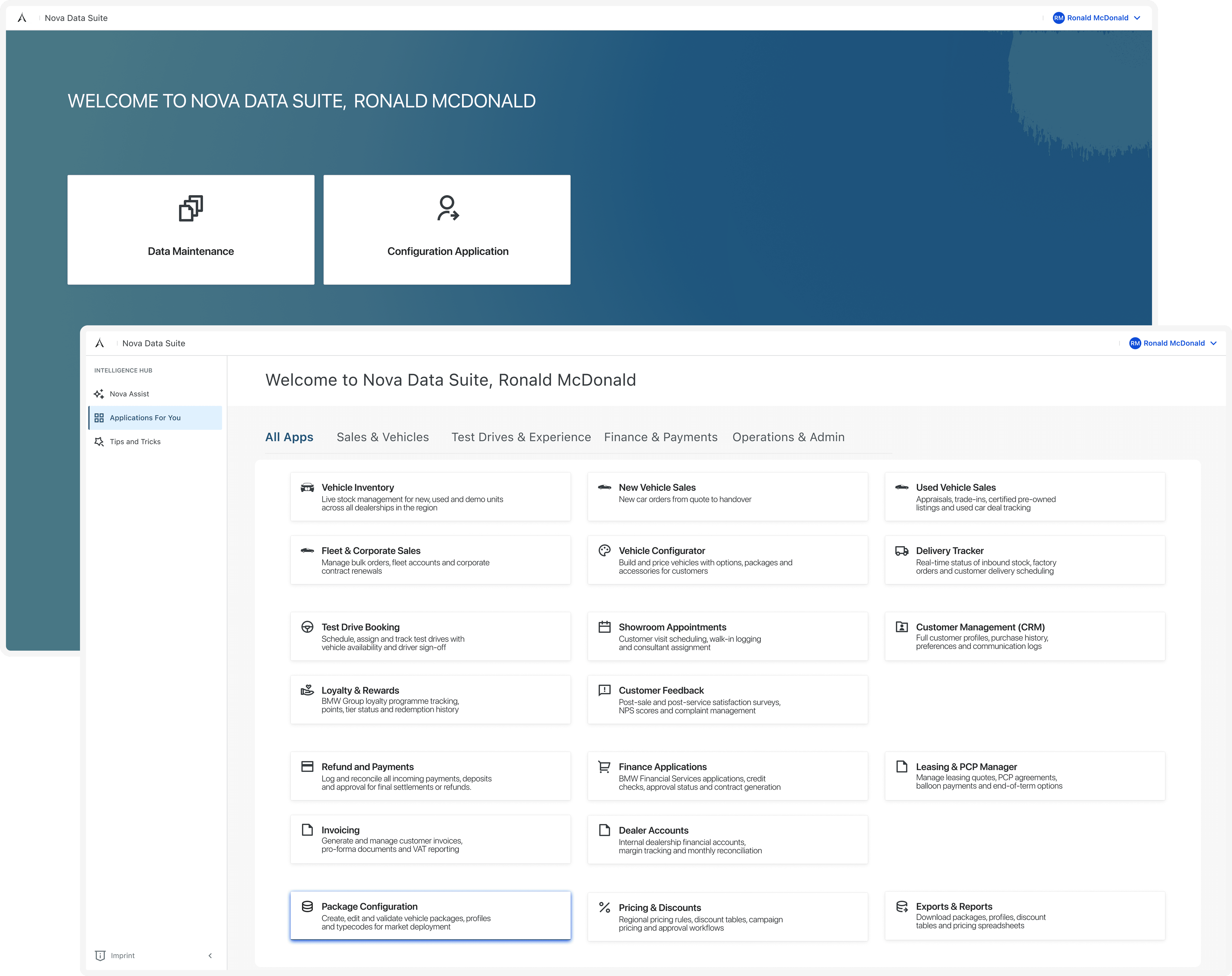
The only designer on the team. 95% shipped. Users finally off Excel. Sometimes you have to prove your value before you can do your job.
Learn how to use tools like ChatGPT, Notion, and Zapier to run your business smarter.
BMW Sales Agent Test Drive Dashboard
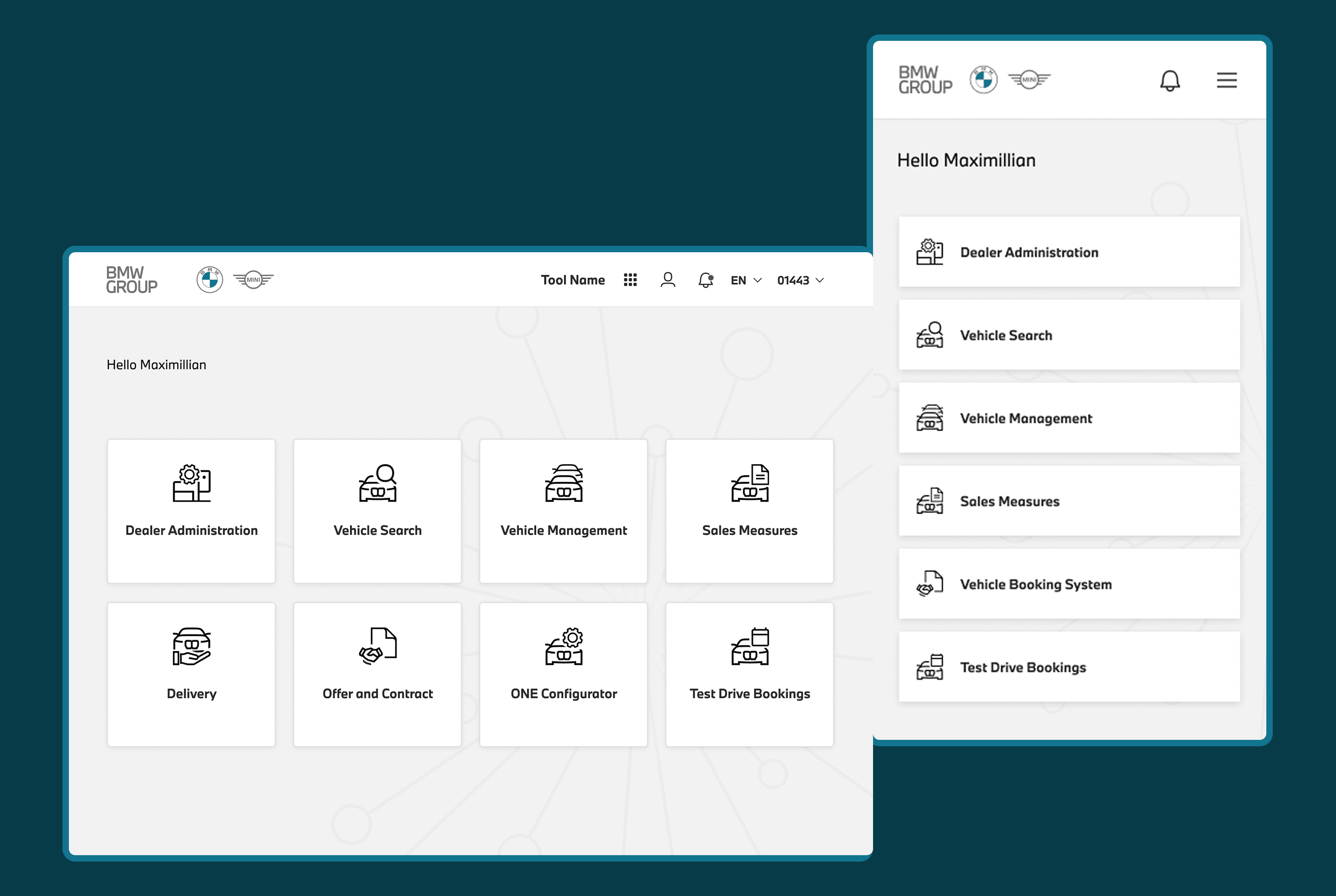
Short on developers. Tight on time. So I taught myself frontend development and helped ship 75% of it myself.
Learn how to use tools like ChatGPT, Notion, and Zapier to run your business smarter.
Enterprise UX
UX Strategy
Scanning a 10-floor building shouldn't take all day. I came up with a UX Strategy on how to fix that.
UX Strategy
Problem Framing
User Research
Assumptions Mapping
Design
B2B · Enterprise
NavVis · 2025
Context
NavVis makes mobile reality capture hardware that lets surveyors and technicians walk through a building and capture it in full 3D room by room and floor by floor. The hardware is fast. The scanning itself takes minutes per floor.
The problem wasn't the device. It was what happened in the software after the scan was done.
The Problem
When someone scans a building with NavVis's hardware, they capture each floor separately that's just how the device works. But the IVION software treated each floor as a completely isolated job. There was no way to queue floors, run them in parallel, or auto-combine the results.
For a 5-floor building: 5 separate waits. 5 manual stitching steps. Every single time. On a 10-floor building, that's a full day of waiting and repeating the same manual task.
My Approach
My five-step approach: mapping assumptions before designing, reconstructing the broken workflow, evaluating three solution options with clear reasoning.
The SWOT analysis included my own solution and planning a phased 3-month release.
The End Result
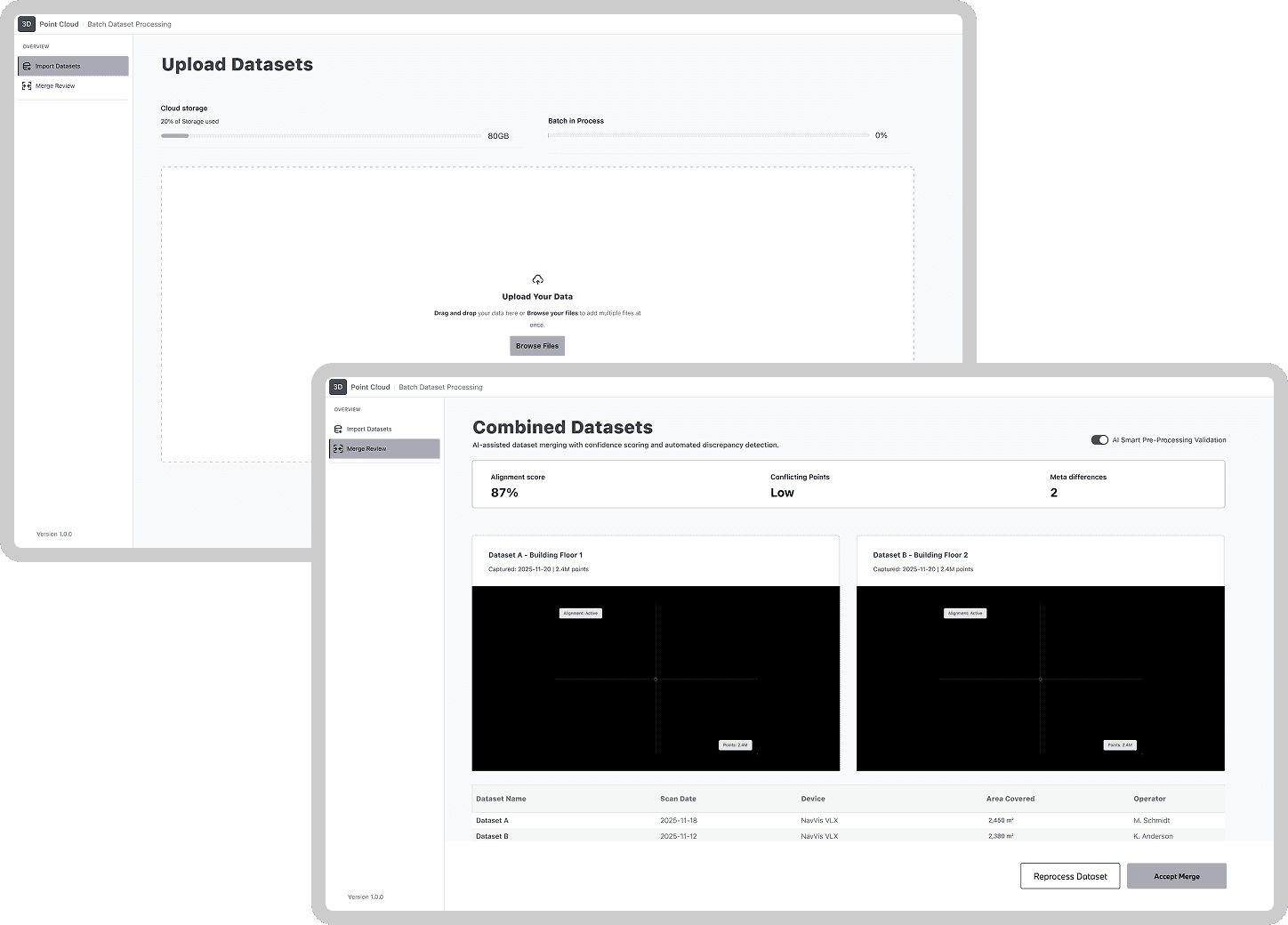
Four outcome cards covering problem reframing, pain point identification, the batch processing design and the phased delivery plan.
Close with my honest reflection including that I didn't get the job, but would submit the same work again.
✦
NavVis IVION
✦
NavVis IVION
✦
NavVis IVION
✦
NavVis IVION
✦
NavVis IVION
✦
NavVis IVION
✦
NavVis IVION
✦
NavVis IVION
✦
NavVis IVION
✦
NavVis IVION
✦
NavVis IVION
✦
NavVis IVION
✦
NavVis IVION
✦
NavVis IVION
✦
NavVis IVION
✦
NavVis IVION
✦
NavVis IVION
✦
NavVis IVION
The problem
Users scan whole buildings.
But the tool made them go floor by floor.
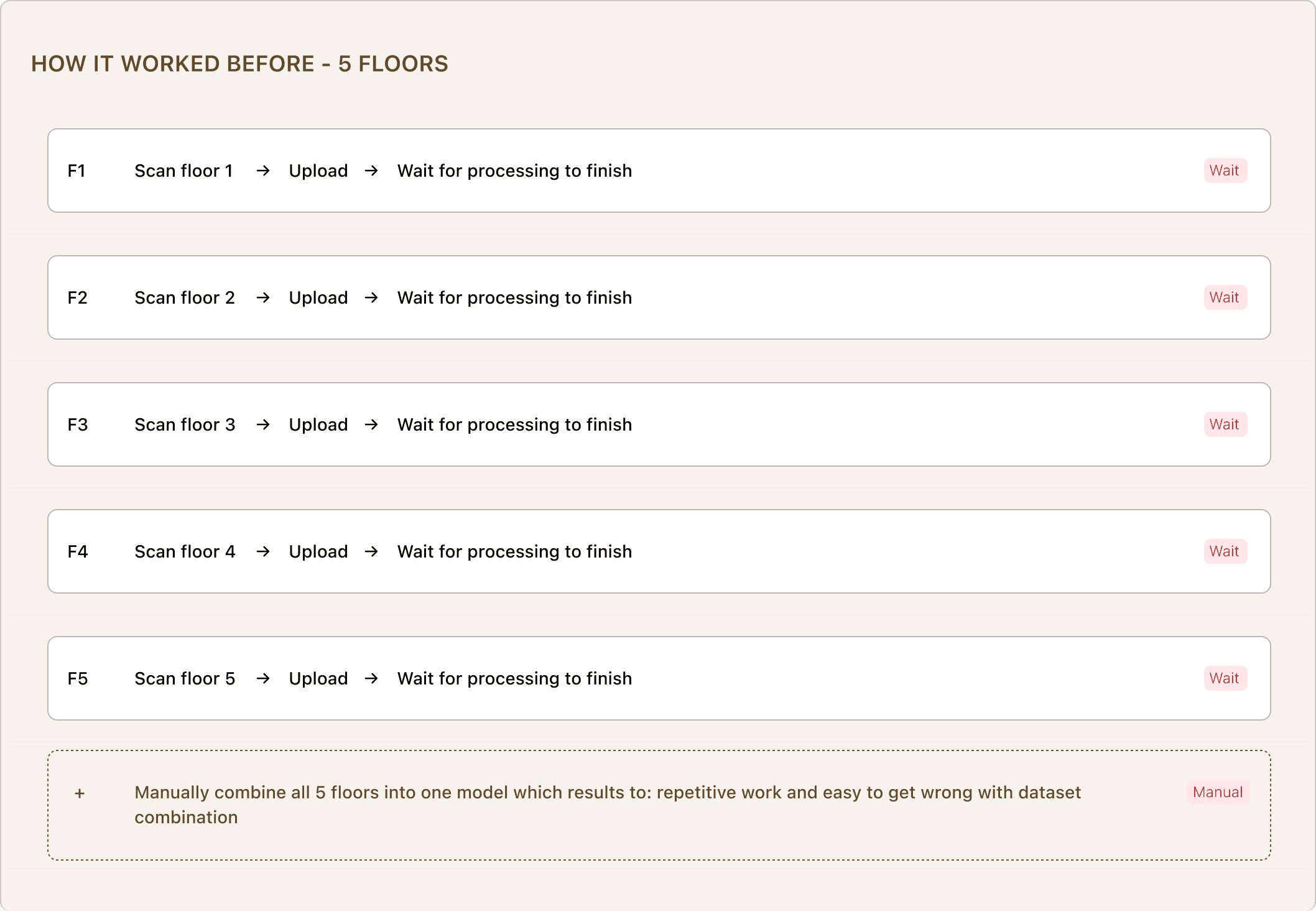
When someone scans a building with NavVis’s mobile 3D Reality capture hardware, they capture each floor separately. But the software made them deal with each floor one at a time.
Users had to wait for floor 1 to finish then start floor 2 then manually stick all the floors together at the end. For a 5-floor building, that's 5 separate waits and 5 manual steps every single time.
NavVis asked me: how would you fix this and how would you actually get it built and released? That meant figuring out what questions to ask, what to assume if I couldn't get answers, what to design and how to plan the work.
When someone scans a building with NavVis’s mobile 3D Reality capture hardware, they capture each floor separately. But the software made them deal with each floor one at a time.
Users had to wait for floor 1 to finish then start floor 2 then manually stick all the floors together at the end. For a 5-floor building, that's 5 separate waits and 5 manual steps every single time.
NavVis asked me: how would you fix this and how would you actually get it built and released? That meant figuring out what questions to ask, what to assume if I couldn't get answers, what to design and how to plan the work.
The hardest part wasn't coming up with ideas. It was making sure I understood
the real problem and the technical limits before I started designing anything.

Questions I asked first
Before I designed anything,
I asked what I didn't know.
The problem
I didn't have all the answers from the brief, so I wrote down what I was assuming before I started. This way the NavVis team could correct me if I got anything wrong.
The problem
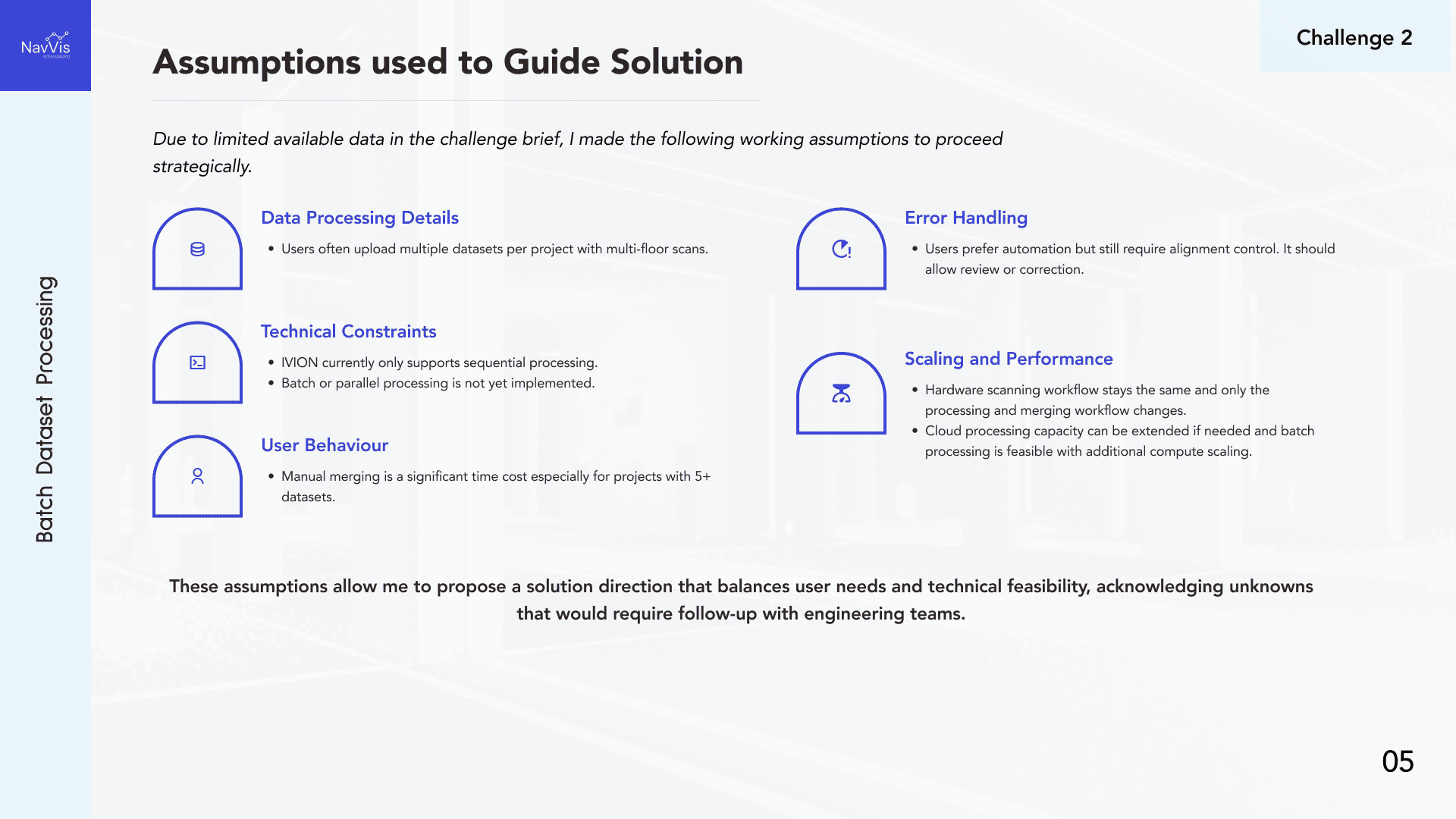
Assumptions I made to help guide me
Before I designed anything, I asked what I didn't know.
I didn''t have all the answers from the brief, so I wrote down what I could assume before I started. This way the NavVis team could correct me if I got anything wrong.
What's going wrong
Four problems.
Each one a chance to make things better.
This is how I assumed the old process worked. Users scan each floor separately with the hardware. Then they had to upload each floor one by one, wait for it to process, and manually combine everything at the end. For a big building, this could take hours.
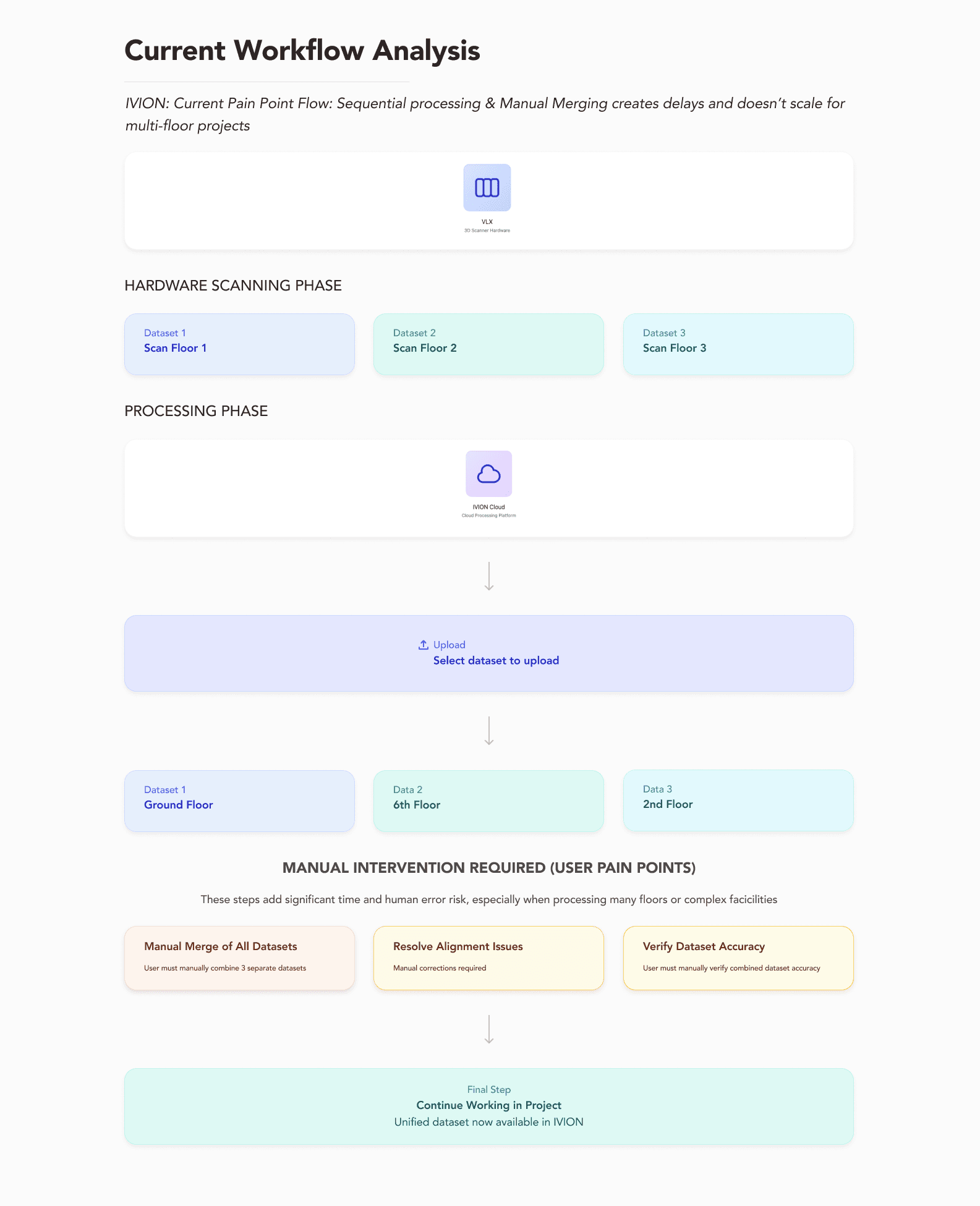

Problem
Users have to wait between each scan
You can't start the next floor until the first one finishes. On a big building, this adds hours of just waiting.
Fix: let users process all floors at the same time.

Problem
Putting scans together is done MANUALLY
After processing, users have to manually combine every floor. It's repetitive, boring and easy to mess up.
Fix: automate the combining step with smart suggestions.

Problem
Floors don't always line up correctly
When scans are combined, they sometimes don't match up perfectly. Users have to spot and fix this manually.
Fix: use AI to catch alignment problems early.

Problem
No way to see what's happening across all scans
Users can't see the status of all their floors in one place. They have to check each one separately, which makes it hard to plan or know when everything will be ready.
Fix: one dashboard that shows everything at once.
My Solution
Process all floors at once
and let the system do the heavy lifting.
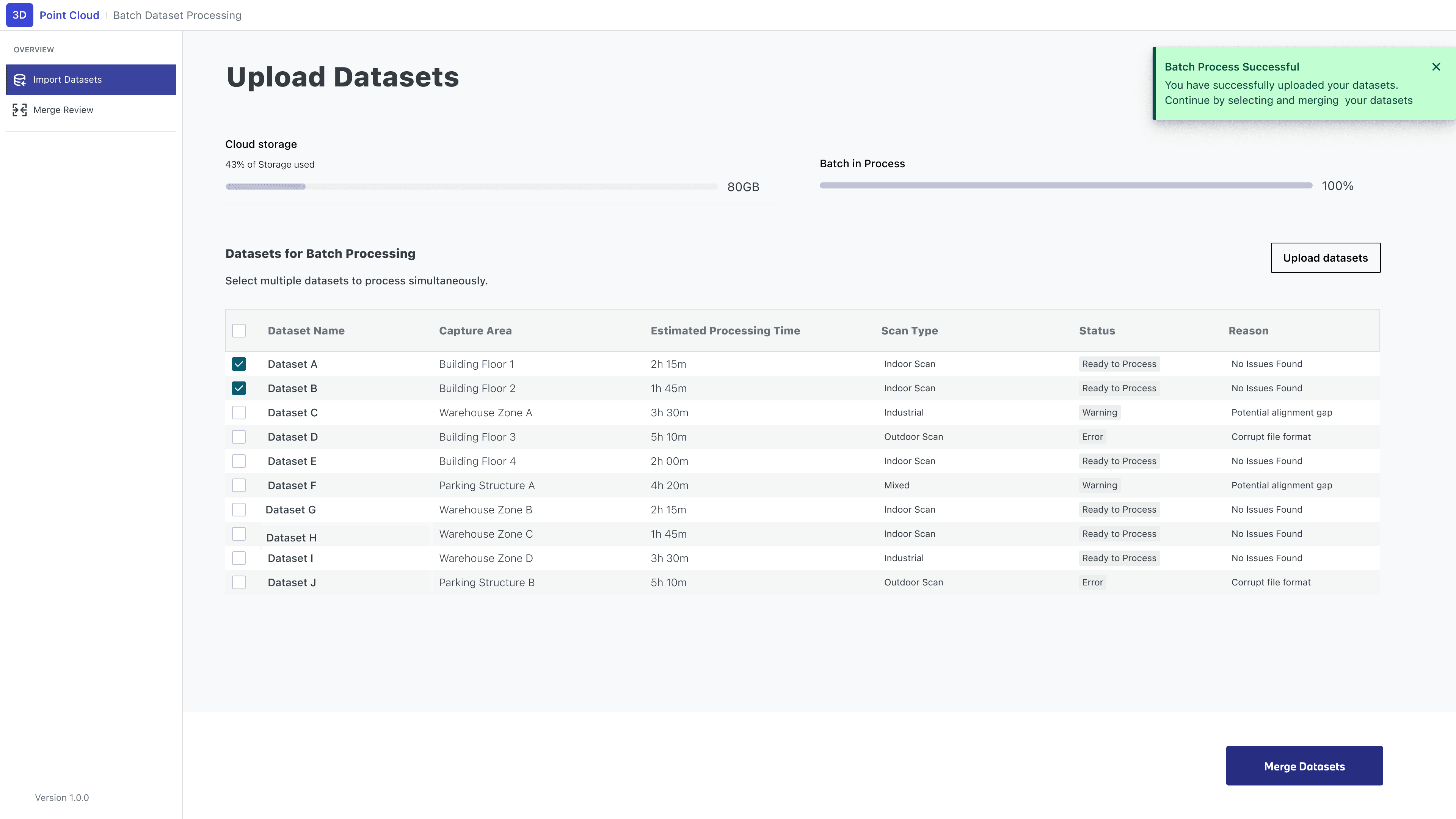
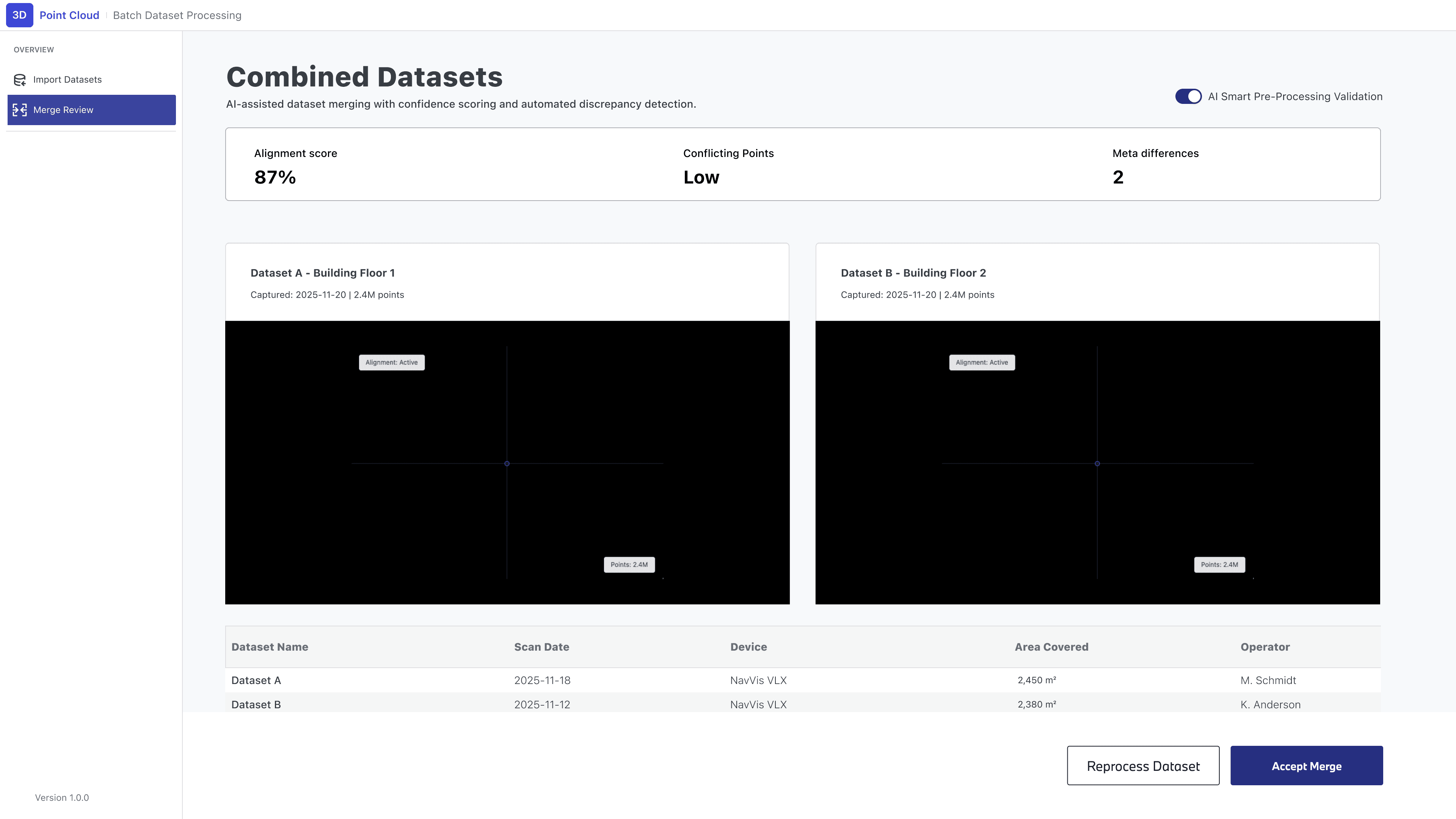
I looked at three options: process everything at once (batch), just clean up the current screens, or add a step-by-step guide. Processing everything at once was the clear winner. It's the only option that actually removes the waiting and the manual work.
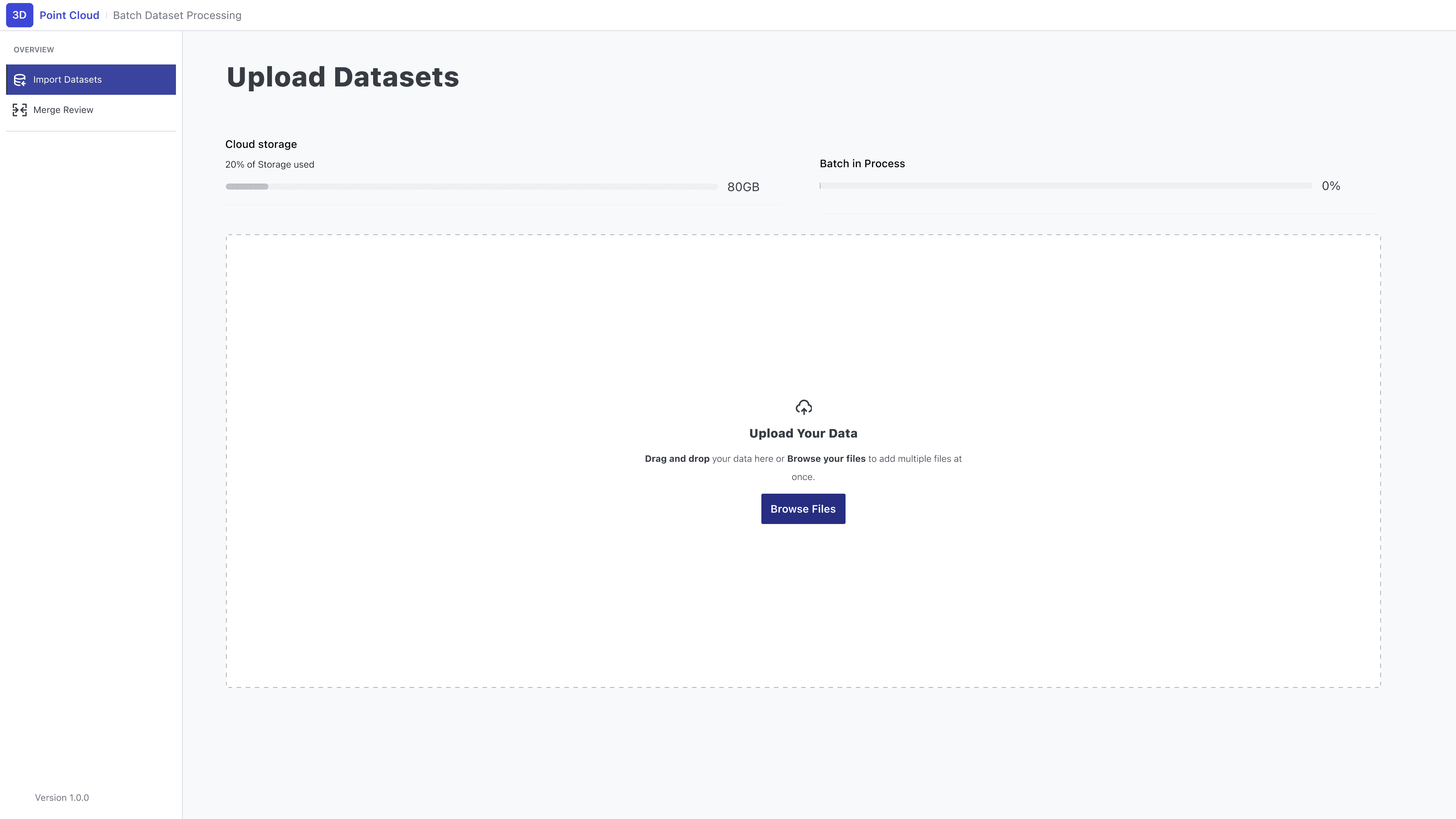
Strengths, risks and opportunities
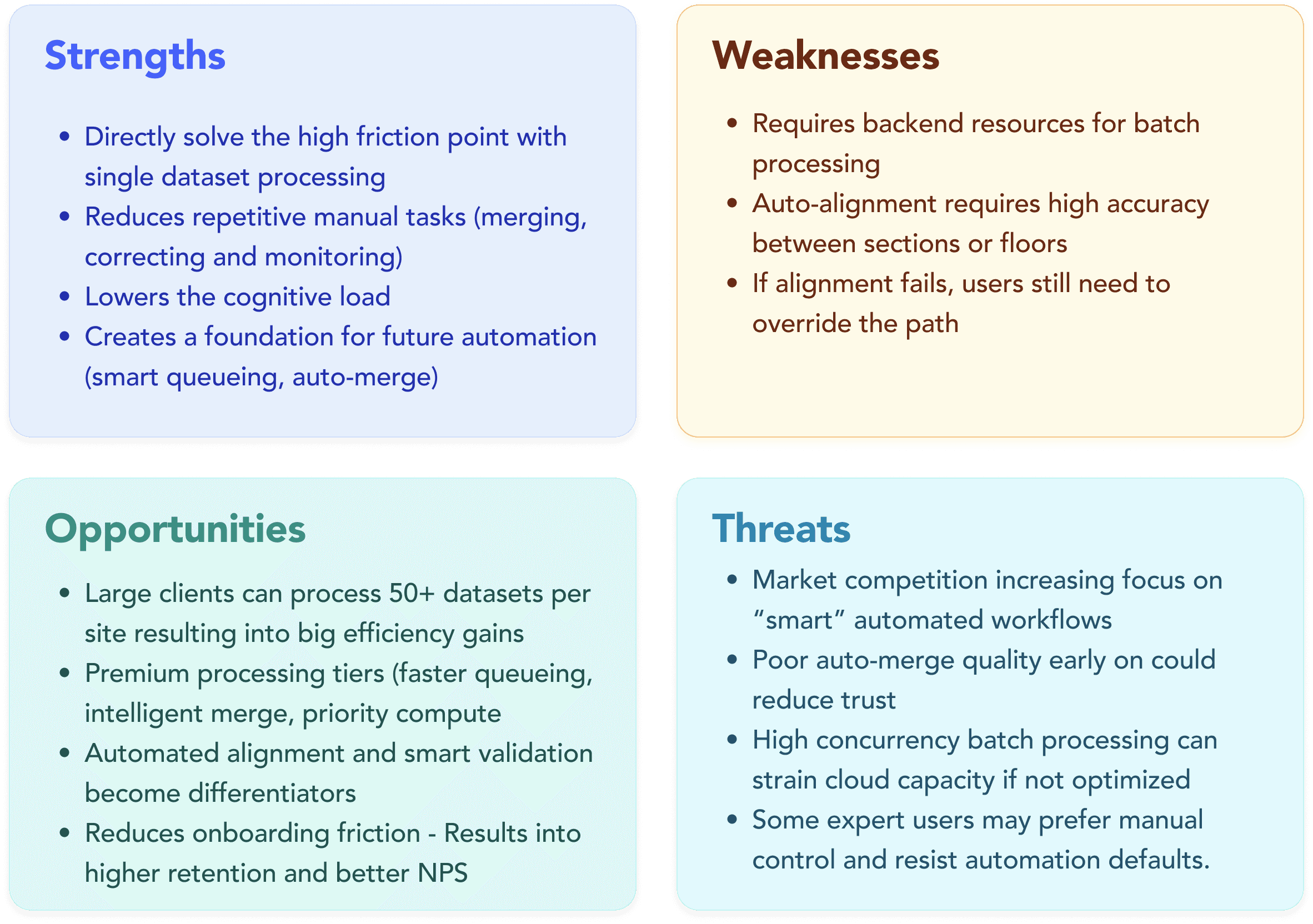
I checked my own thinking
before recommending anything.
A SWOT analysis isn't just a slide to fill in. It's a way of asking: am I missing something? Here's what I found when I looked at this solution honestly.
How I'd ship it
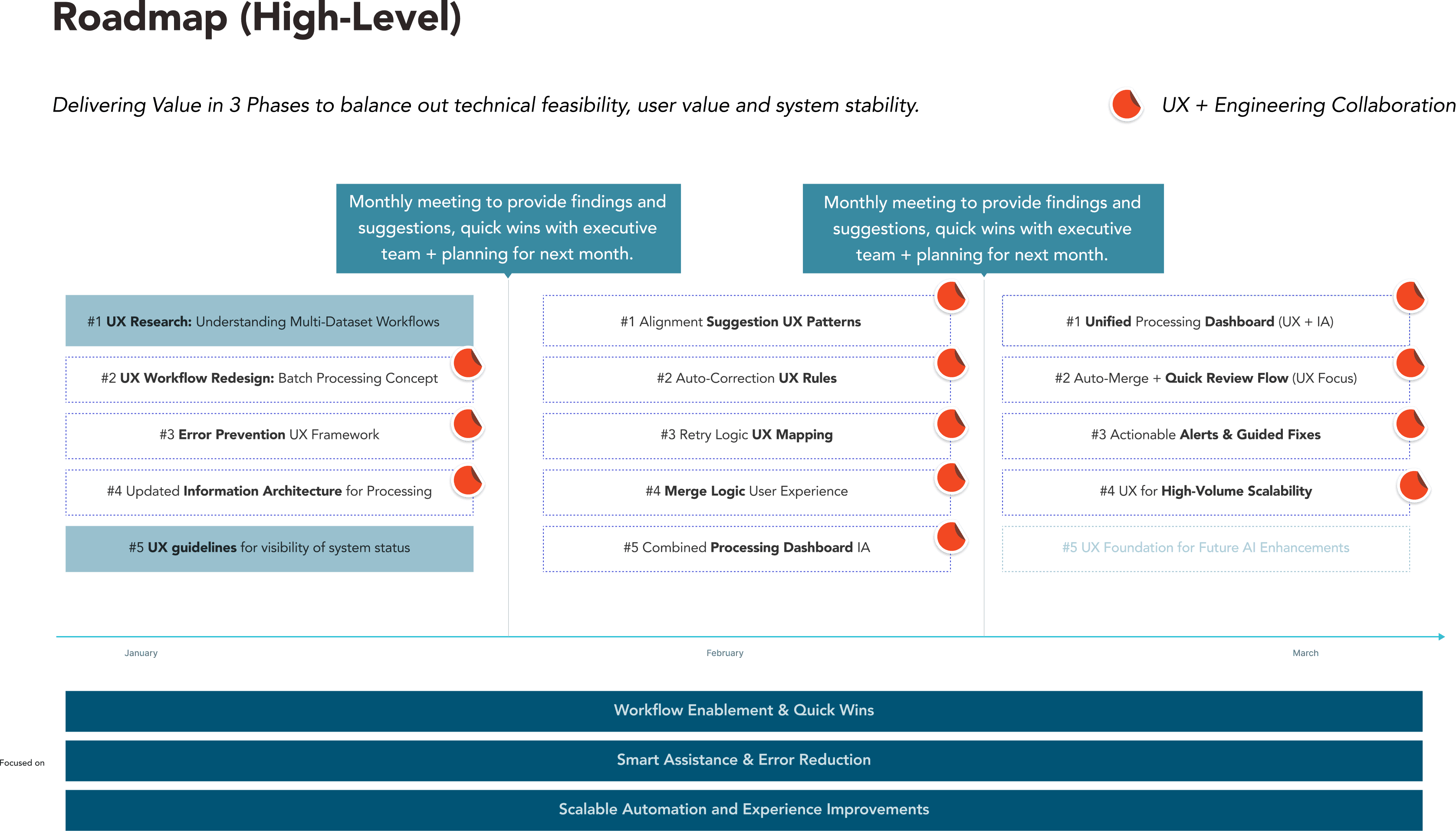
Three months.
Build on what works, don't ship everthing at once.
I broke the release into three phases. Each one building on the last. The idea was to get something useful out quickly, then keep improving it. Shipping everything at once is risky. You can't learn what's working until users are actually using it.
What I took away from this
Honest Reflection
I didn't get the job.
But I'd submit this again.
I spent 2 days on this because I genuinely wanted to get the thinking right and not just make something that looked good in slides. I asked about tech limits before designing. I tested my own solution with a SWOT. I put the pre-check step at the beginning, not the end. I planned a phased release that considered both the users and the engineering team.
If I had more time, I'd want to talk to real users who do this work every day: surveyors and technicians to see if my assumptions held up. I'd also build a clickable prototype so the team could see the batch selection flow in action, not just read about it.
Not every application leads to a job. But working through a challenge like this properly, not just quickly makes you a better designer. I'm proud of this work.
I didn't get the job.
But I'd submit this again.
I spent 3 days on this because I genuinely wanted to get the thinking right and not just make something that looked good in slides. I asked about tech limits before designing. I tested my own solution with a SWOT. I put the pre-check step at the beginning, not the end. I planned a phased release that considered both the users and the engineering team.
If I had more time, I'd want to talk to real users who do this work every day: surveyors and technicians to see if my assumptions held up. I'd also build a clickable prototype so the team could see the batch selection flow in action, not just read about it.
Not every application leads to a job. But working through a challenge like this properly, not just quickly makes you a better designer. I'm proud of this work.